

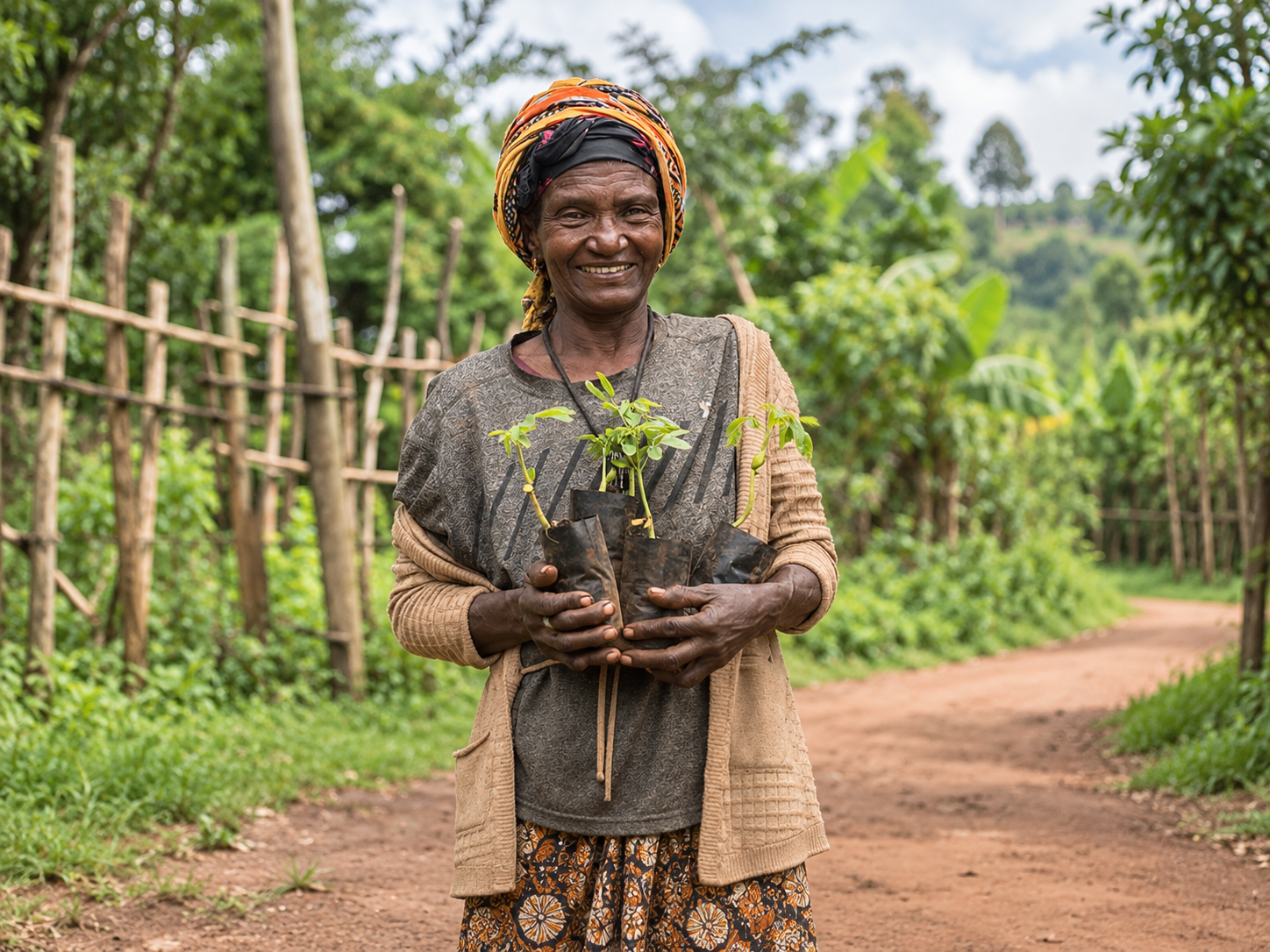
Across South Sudan, there are trees that quietly sustain communities.
The shea tree is one of them.
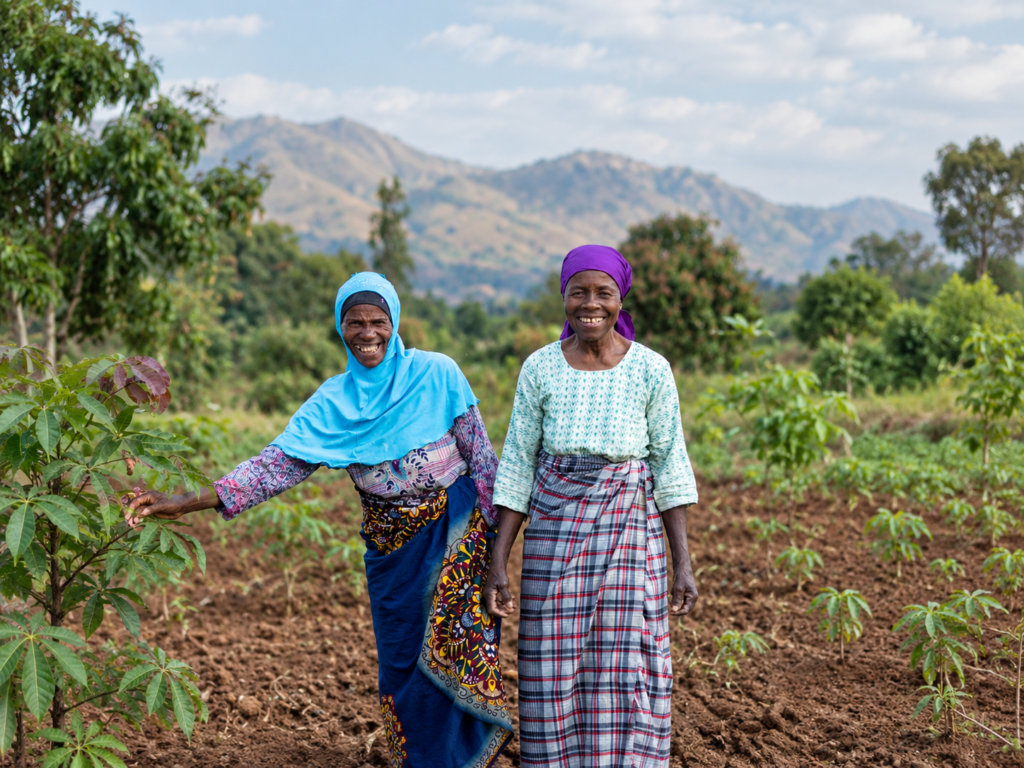
For generations, rural women have gathered shea fruits and nuts from the landscape around them. The trees provide food, shade and a source of income—often without needing to be planted, irrigated or cultivated in the way conventional crops are.
But the value of a shea tree does not end beneath its branches.
Its nuts can become butter.The butter can become a product. And that product can become income for a woman and her family.
These are trees that feed. Trees that earn.
At Ubuntu, we work with women shea nut collectors to bring this valuable natural resource into a structured value chain—from collection and aggregation to processing and markets.
For the women who collect them, shea trees represent more than a seasonal harvest. They represent an opportunity to turn a resource that grows naturally around them into an economic asset.
And for South Sudan, they represent something even bigger.
A shea industry built around sustainable harvesting can create rural livelihoods while giving communities a reason to protect the trees that make those livelihoods possible.
The opportunity is not simply to harvest more.
It is to create more value from what already grows on our land—while ensuring that the trees remain standing for the generations that come after us.
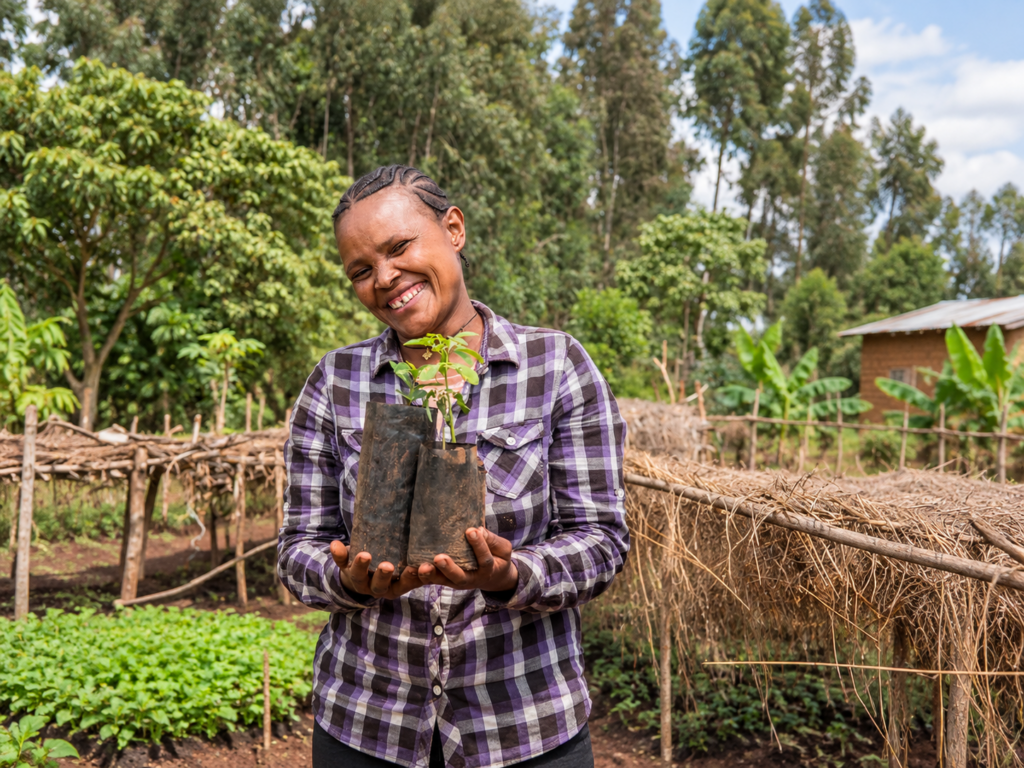
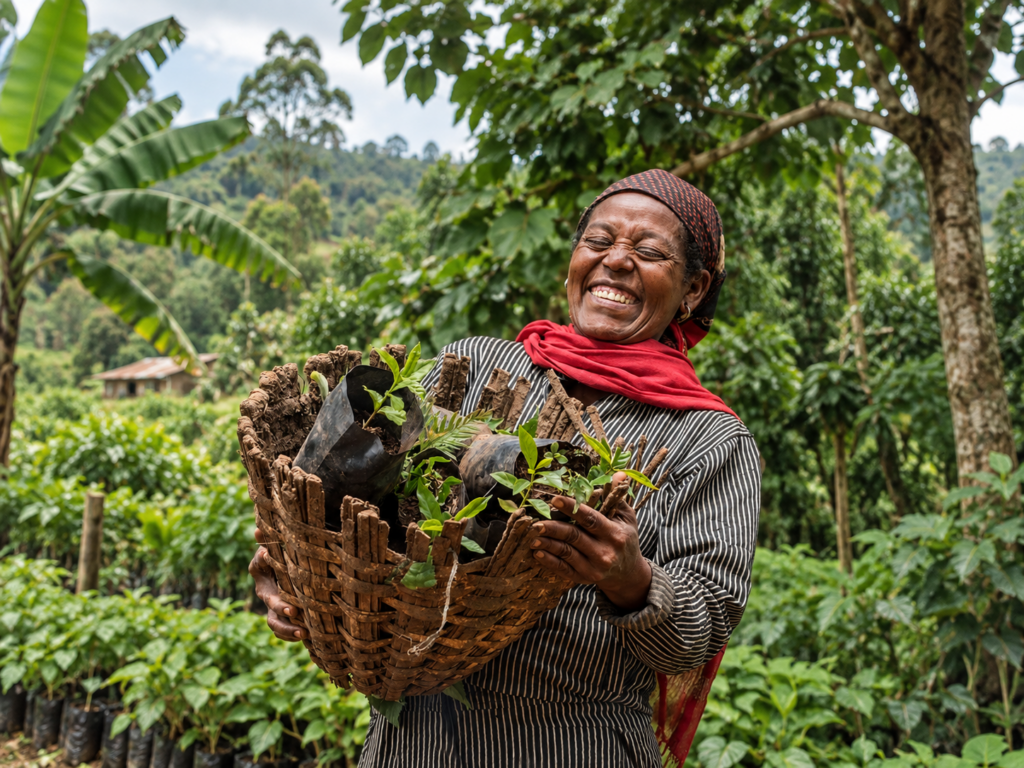
That is why Ubuntu is working with women collectors to establish shea nurseries and plant new shea trees.The approach is simple: harvest from the trees we have, while growing the trees we will need.
For the women involved, planting shea is an investment in future income. For their communities, it contributes to the regeneration of an important natural resource. And for Ubuntu, it is part of our commitment to climate action and environmental sustainability.
A shea seedling planted today will not provide a harvest tomorrow. But it can provide one for the next generation.
And that is the longer-term impact we want to build: women earning more from agriculture and natural resources, while helping protect the landscapes that sustain them. Because a sustainable shea industry is not only about producing more butter. It is about ensuring that the women, trees and communities behind that butter can thrive for generations to come.

Conversation